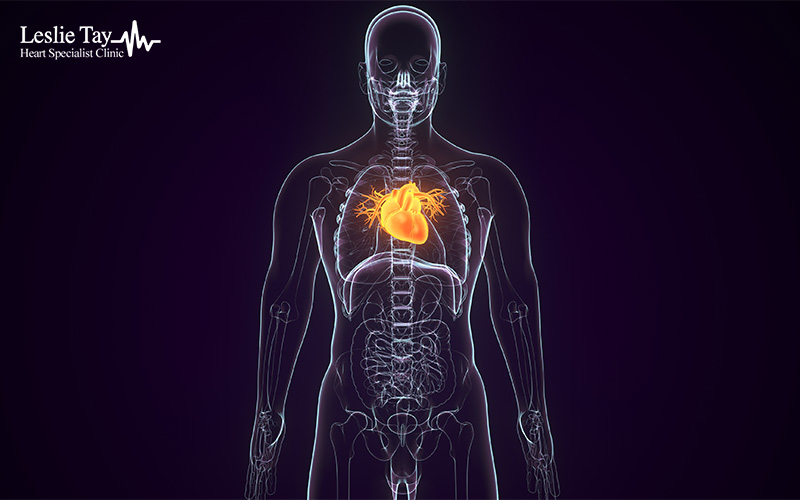
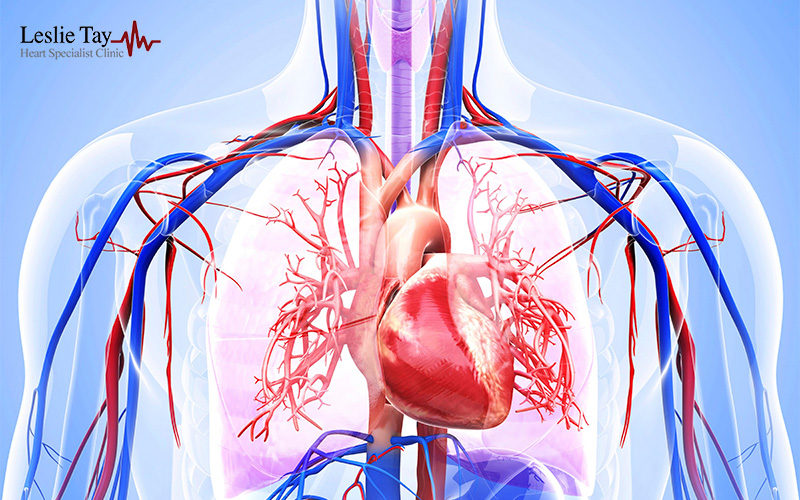
Cardiovascular disease, commonly known as coronary artery disease (CAD), is the leading cause of mortality globally. Locally, 1 out of 3 deaths can be attributed to heart disease or stroke. It is a silent predator, often showing no symptoms until it is too late.
However, there is a vital tool at your disposal: cardiac screening in Singapore. In this blog, we will explore its significance, who should consider it, the recommended frequency, what the procedure entails, how to prepare for it, and what to expect afterwards.
Keep reading to find out more.
What is a Cardiac Screening and Why Is It Important?
Cardiac screening, often referred to as heart screening, encompasses a series of tests and evaluations aimed at assessing the condition of your heart and detecting any potential problems. Here is why cardiac screening is vital:
- Early detection: Many heart conditions show no symptoms until they become advanced. Cardiac screening can uncover issues at an early stage when they are more manageable.
- Risk assessment: Cardiac screening helps to assess your risk factors, such as family history, lifestyle choices, and underlying medical conditions like diabetes or hypertension. This information enables a cardiologist to tailor prevention strategies accordingly.
- Prevention: Armed with the insights from cardiac screening, you can take proactive steps to mitigate your risk of heart disease. This may involve lifestyle modifications, medication, or further diagnostic tests.
Learn more: How to Know if You are Having a Silent Heart Attack
Who Should Go for Cardiac Screening?

A common misconception is that only those with heart issues need to be screened. However, cardiac screening is also a valuable tool for individuals at risk. You should book an appointment if you:
- Have a family history of heart disease: You might be genetically predisposed to it, putting you at a higher risk.
- Smoke: Tobacco use significantly increases the risk of heart issues.
- Have high blood pressure or cholesterol: Hypertension or high cholesterol levels puts you at greater risk of heart problems.
- Have been diagnosed with diabetes: The condition contributes to heart issues.
- Lead a sedentary lifestyle: Lack of physical activity can take a toll on your heart.
What Is the Recommended Frequency for Cardiac Screening?
The frequency varies from individual to individual, depending on risk factors and age. Generally, adults over the age of 45 should consider annual screenings, while those with heightened risk factors may benefit from more frequent assessments. Speak to your cardiologist in Singapore for more information on the recommended frequency according to your specific needs.
What Can You Expect During the Cardiac Screening Process?
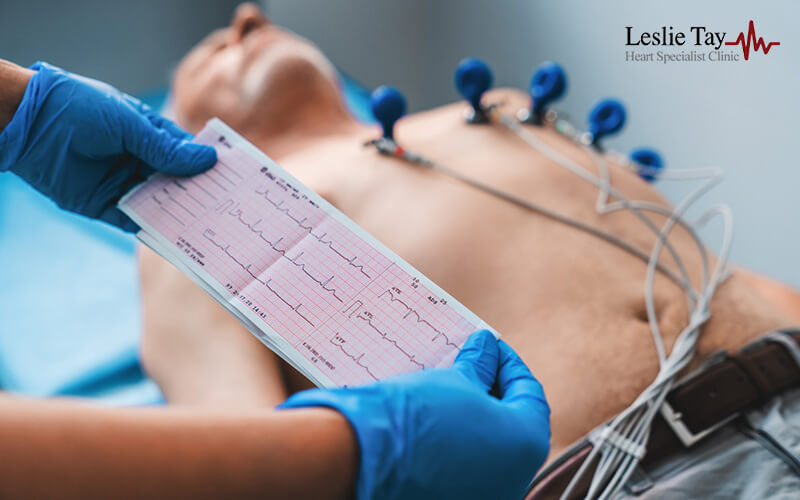
The screening process may include the following depending on your current condition and risk profile – These will be discussed with your Cardiologist:
- Pre-screening consultation: You will meet with a cardiologist who will discuss your medical history, lifestyle, and any specific concerns you might have.
- Detailed blood analysis: This involves taking a blood sample to measure various factors, such as cholesterol levels, triglycerides, and glucose, that can indicate your risk of heart disease.
- Urine analysis: It can reveal information about your kidney function and assess the presence of certain substances that may signal cardiovascular risk.
- Electrocardiogram (ECG): It records the electrical activity of your heart to help detect irregular heart rhythms and can provide indications of past or current heart damage.
- Treadmill exercise stress test: You will walk or run on a treadmill while your heart rate and blood pressure are monitored. This assesses how well your heart responds to physical stress and can reveal underlying issues that might not be evident at rest.
- Echocardiogram: It is an ultrasound test that provides detailed images of your heart’s structure and function. It allows the cardiologist to evaluate the size and thickness of the heart chambers, the functioning of heart valves, and the blood flow within the heart.
- Calcium scoring & CT coronary angiogram: Calcium scoring measures the amount of calcium in the coronary arteries while CT coronary angiograms provide detailed 2D and 3D images of the coronary arteries to assess for any blockages.
How to Prepare for a Cardiac Screening?
There are a few things you should take note of to ensure the accuracy of your screening results:
- Fast: It is recommended to fast for 8 to 12 hours before your screening before a blood test.
- Avoid caffeine: Caffeine can make your heart beat faster and interfere with tests, so it is advisable to avoid it prior to your screening.
What Happens After a Cardiac Screening?

Once your screening is complete, your results will be analysed. If any issues or potential risks are identified, your cardiologist will discuss them with you and recommend appropriate steps, which may include lifestyle changes, further testing, or treatment.
Take control of your heart health today and ensure a brighter, healthier future. Leslie Tay Heart Specialist Clinic clinic provides comprehensive cardiac screenings and treatments for a range of heart conditions. Get in touch to find out more.