See More Services

A CT Calcium Score test, also known as a coronary calcium scan or heart scan in Singapore, is a non-invasive heart scan used to detect calcium deposits in the arteries that supply blood to the heart. These calcium deposits are signs of coronary artery disease, which may develop before any symptoms are felt.
This test is commonly used as a cardiovascular risk test to estimate the likelihood of future heart problems, such as heart attacks. By measuring the level of calcium in the coronary arteries, the scan helps you and your doctor understand your heart health and determine whether further monitoring or lifestyle changes are necessary.
The CT Calcium Score test uses CT imaging to scan the heart and detect calcium build-up. The scan typically takes about 10 to 15 minutes to complete.


A CT Calcium Score is generally recommended for individuals who are at risk of developing heart disease, especially if no symptoms are present. This makes it valuable for those seeking early detection of heart disease as part of a preventive health screening.
You may consider this test if you are:
It can be helpful to those who are uncertain about their heart health and would benefit from a cardiovascular risk test to guide lifestyle changes or further evaluation.
Your CT Calcium Score will fall within a range that reflects the amount of calcium detected in your coronary arteries. The higher the score, the greater the likelihood of coronary artery disease.
Here’s what the numbers usually indicate:
Regardless of your result, a consultation at Leslie Tay Heart Specialist Clinic can help you understand your score and plan the next steps if necessary.
Yes, a CT Calcium Score is a non-invasive heart scan that is generally safe for use as a screening tool. It uses a low dose of radiation, similar to that of other routine imaging tests. The scan does not involve any contrast dye or injections, and you will not be sedated. The procedure is short, and patients remain fully awake and comfortable throughout.
You do not need a referral. If you are concerned about your heart health or have risk factors such as diabetes, smoking, or high cholesterol, you can contact our clinic directly to arrange an appointment. A pre-scan consultation with our doctor may be recommended to ensure that the test is suitable for you.
A high score indicates a greater amount of calcium in your coronary arteries, which may suggest an increased risk of heart disease. If this is the case, Dr Tay will discuss your results with you and advise on the next steps. This may include further tests, lifestyle modifications, or starting medication to help reduce your cardiovascular risk.
The frequency of the CT Calcium Score test depends on your age, risk profile, and current results. For patients with a score of zero and no new risk factors, repeat testing is generally not needed for several years. However, if your score is higher or if there are changes in your health, a repeat scan may be advised after a few years to monitor progression.
Coverage for a CT Calcium Score depends on your insurance policy. Some providers may allow claims under preventive screening or health check packages. In certain cases, Medisave may be used to offset part of the cost if the test is ordered as part of an investigation for suspected heart disease. Do speak with our clinic or your insurer for specific guidance based on your eligibility.

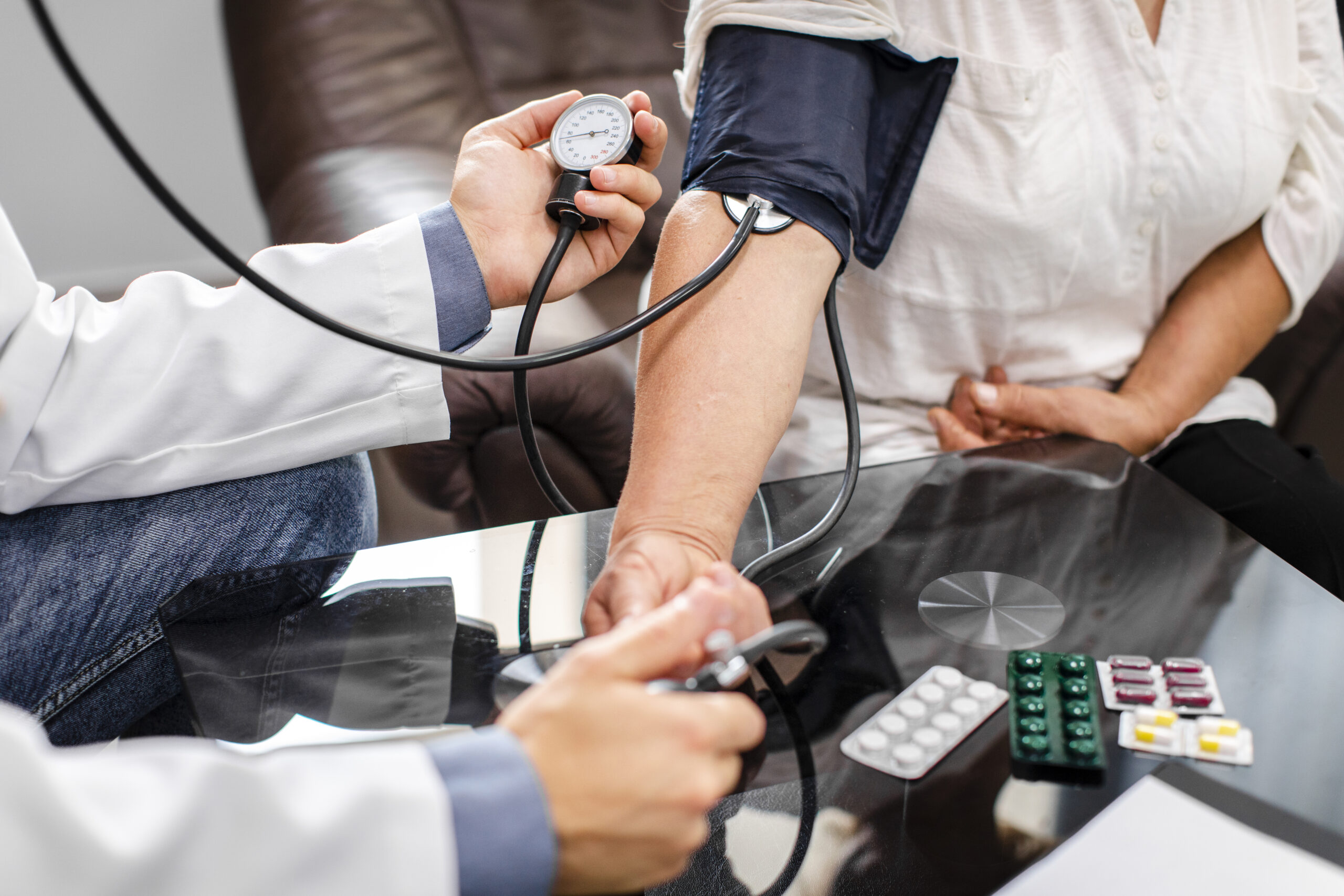
A second opinion from an experienced cardiologist involves a thorough review of your medical history and test results, as well as a reassessment of your overall diagnosis.
A 12-lead Electrocardiogram is a medical diagnostic test that uses lead or electrodes attached to the body to capture the electrical activity of the heart.

An Echocardiogram is an ultrasound scan of the heart which provides a clear image of your heart structure, heart strength and wall movements, and the surrounding blood vessels. It is a powerful tool to help diagnose and assess certain heart conditions.
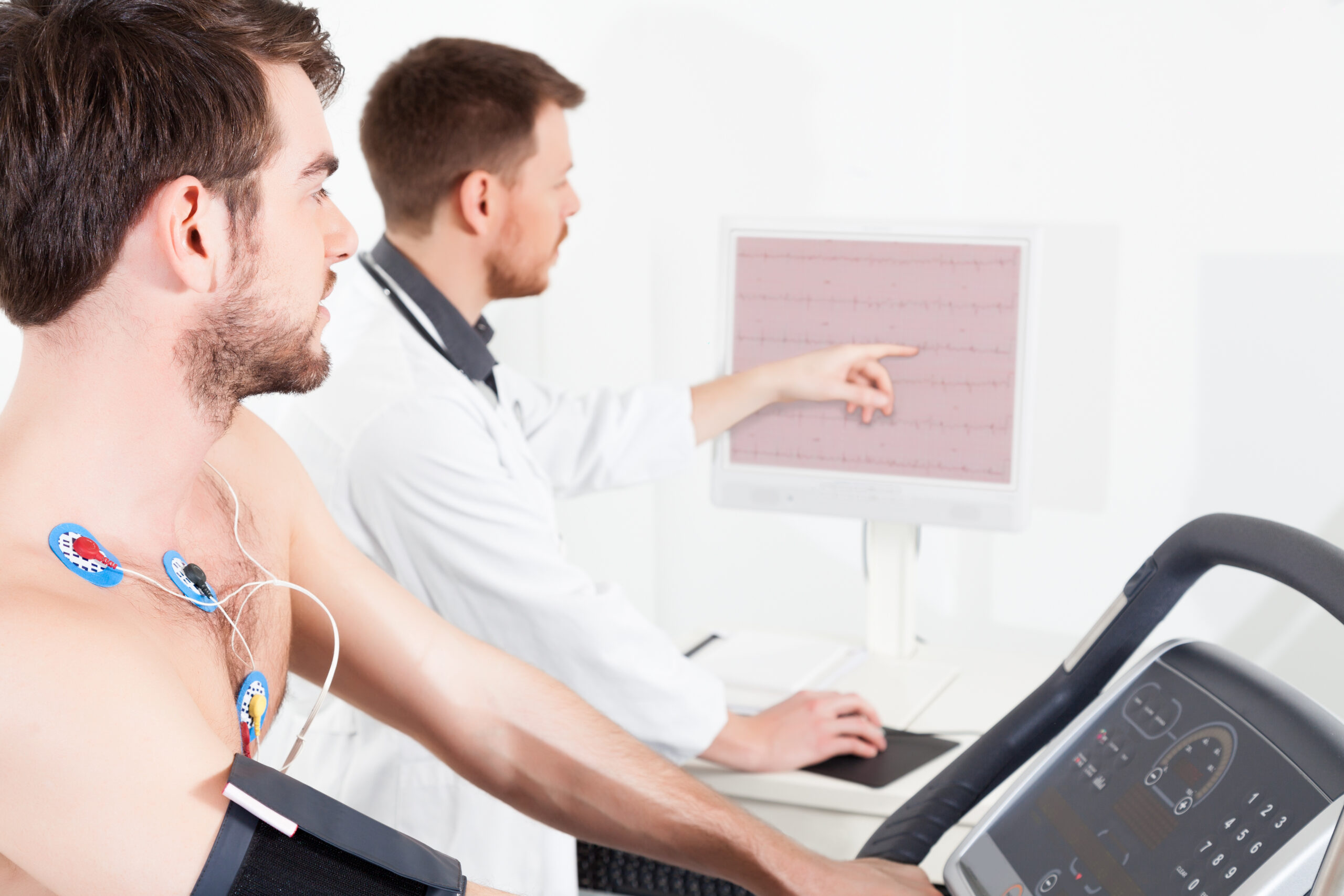
A cardiac stress test can reveal how your heart performs when it is under stress. Some issues only surface when your heart rate increases, and therefore cardiac stress testing can reveal hidden heart problems.