Key Takeaways

  • Excess body weight places ongoing strain on the heart and blood vessels, increasing long-term cardiovascular risk.
  • Obesity is commonly accompanied by other conditions, such as high blood pressure, diabetes, and unhealthy cholesterol levels, which further strain the heart.
  • Heart screening helps identify risk early and should be considered based on overall health, symptoms, and individual risk factors.
  • Sustainable lifestyle changes, regular monitoring, and appropriate medical guidance play an important role in managing obesity and preventing heart disease.

There is no shortage of concerns associated with obesity, ranging from appearance and self-confidence to broader health issues. Many people primarily focus on how weight affects daily comfort, mobility, or energy levels. But, beyond these visible and immediate concerns, obesity and heart disease are closely linked. 

In Singapore, obesity affects roughly 12 out of every 100 adults aged 18 to 74, underscoring how common this risk factor has become. This article explains how excess body fat affects the heart and raises cardiovascular risk, as well as practical steps to protect your heart health.

What is the Link Between Obesity and Heart Disease?

According to the Singapore Heart Foundation, obesity is associated with a threefold increase in the risk of heart attack. The causal relation between obesity and heart disease lies in how excess body fat affects the heart’s workload and structure over time:

  • Higher cardiac workload: As body mass increases, the heart pumps a greater volume of blood to supply oxygen to additional tissue. This places continuous demand on the heart, even at rest.
  • Changes in heart structure: Prolonged strain can lead to thickening or enlargement of the heart muscle, which may reduce pumping efficiency over time.
  • Reduced functional reserve: An overworked heart has less capacity to respond to physical exertion, illness, or physiological stress.

How Obesity Contributes to Other Cardiovascular Risk Factors

Obesity may also affect the heart indirectly by increasing the likelihood of other health conditions that place additional strain on the cardiovascular system. Many people may not notice these changes at first, as they can develop quietly over time.

Commonly associated conditions include:

  • High blood pressure: Often symptom-free, high blood pressure places constant stress on the heart and arteries, increasing the risk of heart attack, stroke, and heart failure over time.
  • Type 2 diabetes: Persistently high blood sugar damages blood vessels and nerves, raising the risk of coronary artery disease and reducing circulation to vital organs.
  • Unhealthy cholesterol levels: Excess cholesterol can build up inside artery walls, narrowing blood vessels and limiting blood flow to the heart muscle.
  • Insulin resistance: This can contribute to fatigue, difficulty losing weight, and further metabolic strain, all of which affect cardiovascular health.
  • Chronic inflammation: Low-grade inflammation may not cause noticeable symptoms, but it accelerates artery damage and plaque formation.

Individually, each of these conditions increases heart risk. When they occur together, which is common in people with obesity, their combined effect places additional and sustained strain on the cardiovascular system.
When Should You Consider Heart Screening?

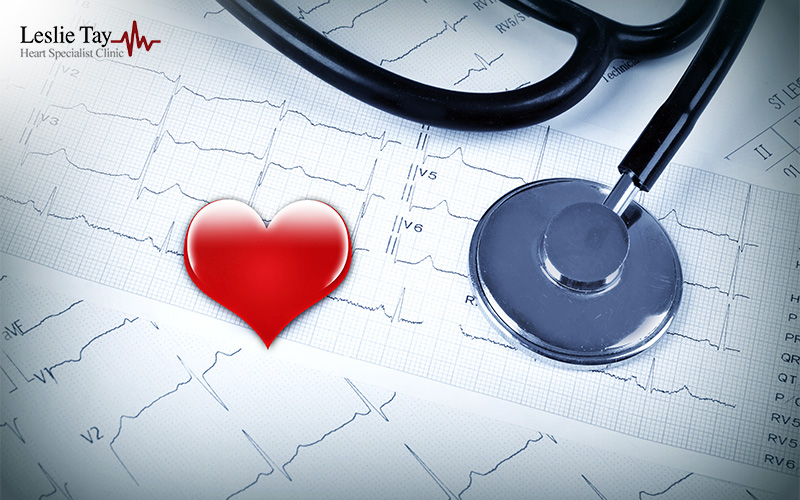
Heart specialist's stethoscope on ECG report for cardiac risk screening.

Cardiac screening is often considered when there are changes in health status or when risk factors begin to accumulate, rather than only when symptoms are severe. If you have obesity, proactive assessment can help clarify your heart health before problems develop.

When Screening Is Commonly Advised

You should visit a cardiologist in Singapore if you:

  • Have obesity together with high blood pressure, diabetes, or abnormal cholesterol levels
  • Notice chest discomfort, shortness of breath, unusual fatigue, or reduced exercise capacity
  • Have a family history of heart disease
  • Plan to begin or increase physical activity and want to exercise safely
  • Have not reviewed your heart health for several years despite known risk factors

How Often Should You Consider Screening

For individuals with stable risk factors and no symptoms, cardiovascular reviews are often considered every few years. If multiple risk factors are present, or if test results change, more regular follow-up may be appropriate. The timing is individualised rather than fixed.

Types of Tests and Why They Matter

Screening usually begins with non-invasive assessments, which may include:

  • Blood tests to assess cholesterol, blood sugar, and other metabolic markers
  • Heart imaging to evaluate structure and function
  • Functional tests, such as exercise stress testing, to assess how the heart responds to exertion

A coronary angiography may be recommended if earlier tests suggest reduced blood flow to the heart and a clearer view of the coronary arteries is needed to guide management.

Practical Steps for Managing Obesity and Preventing Heart Disease

Addressing obesity and heart disease requires a longer-term approach that focuses on reducing cardiovascular strain rather than chasing rapid weight loss. Key strategies include:

  • Adopting a balanced diet rich in vegetables, fruits, whole grains, and lean protein. This helps support healthier cholesterol levels, blood pressure control, and blood sugar balance.
  • Engaging in regular physical activity to improve cardiovascular fitness, circulation, and metabolic health. 
  • Monitoring blood pressure, cholesterol, and blood sugar levels.

Taken together, these steps help reduce cumulative stress on the heart and blood vessels, supporting long-term cardiovascular health.

Conclusion

The relationship between obesity and heart disease may not be immediately felt, but it can have lasting effects over time. Addressing cardiovascular risk early allows individuals to plan more proactively, monitor changes, and reduce long-term heart strain through informed lifestyle and medical decisions.

For those seeking a comprehensive evaluation or advice on managing heart risk factors, visit Dr Leslie Tay. He specialises in non-invasive assessments and catheter-based procedures for a wide range of heart conditions, with a focus on coronary artery disease. Care is guided by careful evaluation, clear explanation of findings, and treatment recommendations tailored to each patient’s clinical needs.

Make an appointment today.
Related Article


  • Jul 9, 2026
  • By Admin

Can Obesity Increase Your Risk of Heart Disease?

Read More
  • Jul 9, 2026
  • By Admin

How to Lower Your Risk of a Second Heart Attack

Read More
  • Jul 9, 2026
  • By Admin

What Does an Abnormal ECG Mean?

Read More
  • Jul 9, 2026
  • By Admin

Early Signs of Blocked Arteries You Shouldn’t Ignore

Read More
  • Jul 9, 2026
  • By Admin

When to Worry About Heart Palpitations: Key Warning Signs

Read More