Related Article
An electrocardiogram, or ECG test, is commonly performed when someone experiences symptoms such as chest discomfort, breathlessness, or palpitations. But when the test returns an abnormal finding, the concern naturally shifts to what it implies and whether the symptoms are linked to a heart condition.
In reality, an ECG can look abnormal for many different reasons, some of which are temporary or harmless. Understanding what an irregular reading actually reflects is the first step toward knowing whether further assessment is needed.
An ECG detects tiny electrical impulses that travel across the heart muscle with each beat. Under normal circumstances, these impulses fire in a consistent sequence, producing a recognisable wave pattern. When the sequence slows, speeds up, or takes an unusual route, the waveform changes. These variations help doctors assess whether the heart is beating regularly, whether the electrical pathways are working as expected, and whether certain areas of the heart may be under strain.
People undergo an ECG for many different reasons, and it is not limited to those with known heart conditions. Doctors often recommend the test when someone experiences symptoms such as:
It may also be advised during routine check-ups for individuals with risk factors like high blood pressure, diabetes, high cholesterol, or a family history of early heart disease.
An ECG can also be part of pre-exercise evaluations, pre-surgery assessments, or ongoing monitoring for those already receiving treatment for heart-related issues. Since the test is quick and non-invasive, it serves as a practical starting point for understanding whether certain symptoms or risk factors warrant further investigation.
There are several causes of irregular ECG readings, and they range from harmless variations to markers of underlying conditions.
Irregular heart rhythms are one of the most common findings. The heart may beat too quickly, too slowly, or with extra beats that disrupt a steady pattern. Some types of arrhythmias are common and not dangerous, while others may require monitoring or additional tests.
Individuals who have had a heart attack, whether recently or in the past, may show lasting changes on an ECG. A heart attack injures the heart muscle, and that injured area conducts electrical signals differently from healthy tissue.
If the heart muscle thickens or the chambers enlarge, the electrical signals travel differently. This can alter the wave pattern and may prompt further imaging to assess whether the heart is working under increased strain.
Low potassium, dehydration, or certain prescriptions can influence conduction pathways, resulting in an abnormal tracing. These situations are often reversible once the underlying cause is corrected.
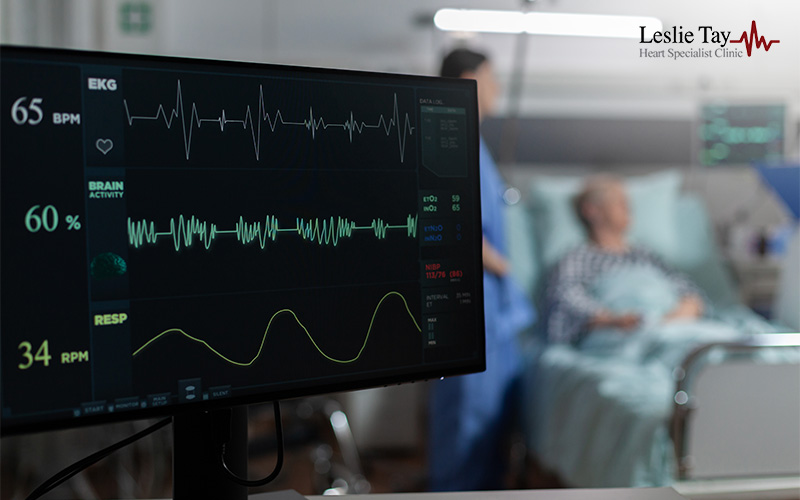
While not every abnormality requires urgent attention, certain situations call for prompt follow-up.
When irregular patterns appear repeatedly or fall well outside expected ranges, they may point to rhythm or structural issues that are developing over time. If these changes progress, they can be associated with conditions such as:
Regular monitoring allows doctors to track these shifts and decide whether further testing is needed.
Individuals with existing risk factors already have a higher chance of developing heart conditions like ischaemic heart disease or early thickening of the heart muscle over time. In these cases, an abnormal ECG carries more weight and often calls for a closer look to determine whether early changes are developing before symptoms appear.
After receiving an unexpected ECG result, the next steps focus on understanding what the irregularities mean and whether they reflect something temporary or a pattern worth monitoring.
Your doctor may recommend further investigations to clarify the cause of the abnormal tracing. These may include blood tests, a transthoracic echocardiogram to assess heart structure, cardiac stress testing to evaluate blood flow during exercise, or prolonged rhythm monitoring to detect intermittent arrhythmias. Each test helps determine whether the abnormal ECG results indicate a structural issue, a rhythm disorder, or a previous heart injury.
Short-term influences such as stress, caffeine, poor sleep, dehydration, or vigorous activity before the test can sometimes affect the ECG reading. Your doctor may discuss these factors with you and, in some cases, advise repeating the test once they are addressed to see whether the findings persist.
If you feel uncertain about your results or would like another perspective on whether further evaluation is needed, consulting another doctor for a 2nd opinion can provide reassurance and help you make informed decisions.
Receiving an abnormal ECG can understandably raise questions, but it is simply a signal that further understanding is needed. In many cases, the findings reflect temporary influences or benign variations. In others, they serve as an early prompt to look more closely at heart rhythm or structure.
If you need clearer explanations of your results or want to understand your next steps, consult Dr Leslie Tay, a heart specialist in Singapore. With personalised diagnosis and treatment planning, he can help you interpret your ECG findings with greater peace of mind and determine an appropriate management plan.
Book an appointment today.