Related Article
Have you ever felt your heart suddenly flutter, pound, or race out of rhythm, only to wonder whether it was stress, too much caffeine, or something more serious? While most of these unexpected sensations are harmless, some may indicate an underlying cardiac issue. In this article, we take a closer look at heart palpitations and when to worry about them.
Heart palpitations are the sensation of your heart beating faster, more forcefully, irregularly, or with brief pauses between beats. These sensations can occur in the chest, throat, or neck and may last for a few seconds or several minutes.
Common triggers include:
While most palpitations are short-lived, certain patterns may require closer attention.
If palpitations occur together with chest discomfort, shortness of breath, dizziness, or fainting, they may warrant medical attention. These additional symptoms can sometimes indicate that the heart is under strain, and checking for potential contributing factors helps ensure nothing important is overlooked.
A gradual increase in how often palpitations occur, how long they last, or whether they arise without common triggers may be worth evaluating. When symptoms start to follow a more persistent or irregular pattern, it becomes more important to understand what is contributing to the changes.
Individuals with high blood pressure, diabetes, or known heart conditions should be more attentive to changes in their heartbeat. Pay attention even to mild sensations, as pre-existing cardiovascular factors may influence how the heart responds to daily triggers.
Understanding when to worry about heart palpitations can help you recognise when additional monitoring or testing may be appropriate.
However, not all palpitations are dangerous or require medical evaluation. Many are linked to everyday factors and resolve on their own once the underlying trigger settles.
Heart palpitations that appear briefly and resolve on their own are often related to temporary changes in your body’s stress or stimulation levels. These typically improve with simple lifestyle adjustments.
Changes in heart rate that arise during vigorous activity may reflect normal adrenaline responses rather than underlying heart issues. However, do take note of how quickly your heartbeat returns to its usual pace after exercise; a steady return to a normal heart rate often indicates that your heart is functioning and adjusting well.
If palpitations occur rarely, do not escalate, and are not accompanied by chest discomfort, breathlessness, dizziness, or fainting, they are less likely to suggest a significant concern. Even so, it’s recommended to go for routine cardiac screenings every one or two years to monitor your heart health.
In certain situations, heart palpitations may be a symptom of conditions that deserve closer attention.
Persistent or irregular palpitations can be associated with arrhythmias, which are disruptions in the heart’s electrical signalling that affect the heartbeat. In Singapore, atrial fibrillation (AF), one of the more common types of arrhythmia, affects about 1.5% of adults aged 55 and above. Symptoms such as breathlessness, chest discomfort, light-headedness, or near-fainting may accompany these episodes and are key indicators of when to worry about heart palpitations.
In other cases, palpitations may be linked to conditions such as heart valve abnormalities and thyroid imbalances. While not everyone with palpitations has a serious condition, understanding these possibilities helps determine when screening or follow-up may be useful.
When palpitations require further evaluation, doctors may use several tests to understand your heart rhythm, structure, and overall function.
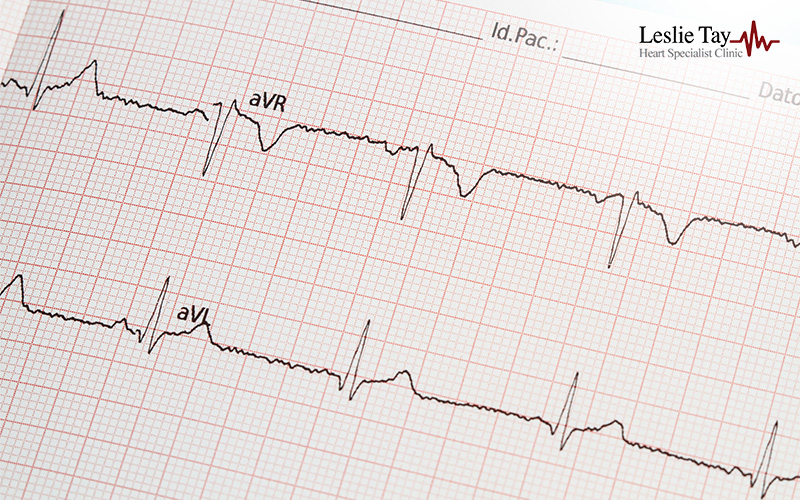
An ECG test is a quick, non-invasive procedure that uses small sensors placed on the chest to measure the heart’s electrical signals. It records your heart’s activity at the moment of testing, helping doctors assess your rhythm pattern and determine whether any irregularities match the symptoms you experience.
If palpitations happen intermittently, a portable Holter monitor or patch ECG can record your heart rhythm continuously over 24 to 72 hours. This allows doctors to capture episodes that may not appear during a brief ECG in the clinic.
For symptoms that occur less frequently, an event monitor can be worn for several weeks. It records your heart rhythm only when you activate it during an episode or when the device detects significant irregularities automatically.
An echocardiogram is a non-invasive ultrasound scan of the heart that creates real-time images of its chambers and valves. It helps doctors assess how well the heart is pumping and whether any structural features may be contributing to your palpitations.
A stress test evaluates your heart rate, rhythm, and blood pressure during exercise. It is typically performed while you walk or jog on a treadmill or pedal a stationary bike, allowing doctors to observe how your heart responds to increasing physical demand.
Blood tests may be used to check for thyroid abnormalities, anaemia, electrolyte imbalances, or other conditions that can influence heart rate.
If you experience palpitations and are unsure why they occur, consider these next steps:
Keeping a simple log of when your palpitations occur, what you were doing beforehand, how long they last, and any accompanying symptoms can provide valuable insight. These patterns help your heart doctor identify possible triggers and decide whether further testing is needed.
Some palpitations improve with small daily changes. Cutting down on caffeine or alcohol, managing stress levels, improving sleep, and staying hydrated can reduce the frequency of benign episodes. Your clinician may also prescribe medications, supplements, or exercise routines to help boost your heart health.
If palpitations continue or become more noticeable, a more in-depth screening may be helpful. Your doctor may call for any combination of the tests above to offer clearer insight into whether your palpitations reflect a rhythm issue or another contributing factor.
Heart palpitations are common and often harmless, but persistent or symptomatic episodes deserve thoughtful attention. By recognising key warning signs and understanding when to worry about heart palpitations, you can take proactive steps to safeguard your health.
If your palpitations persist or leave you unsure about their cause, consult Dr Leslie Tay. He provides evidence-based assessment and guidance with a patient-centred approach, making sure to understand your concerns and tailor treatment to your individual needs.
Book your first appointment today.