Related Article
It is common to assume that slowing down with age or feeling tired after simple activities is normal. But when familiar routines suddenly require more effort, it may be a signal that the heart is working harder than before. Narrowed arteries can reduce blood flow to the body, leading to symptoms that may appear mild at first.
Below, we break down the early signs of blocked arteries, why they occur, and when it may be time to seek medical advice.
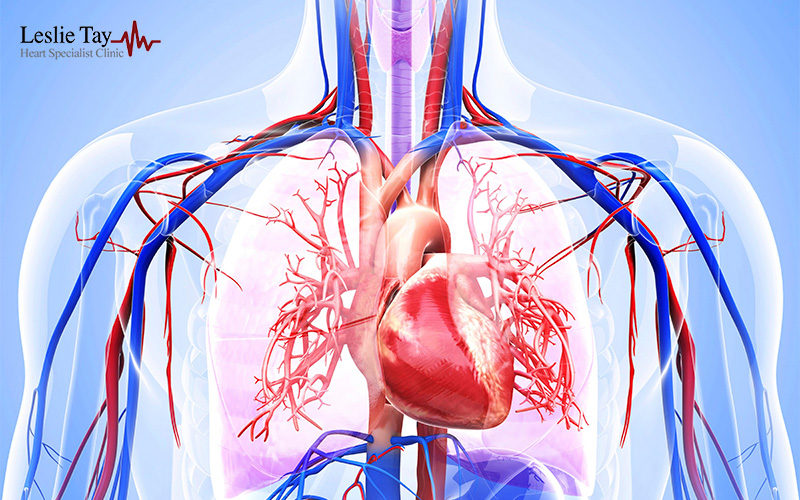
Arteries serve as critical pathways that deliver blood to the heart, brain, and the rest of the body. When plaque, cholesterol, and fatty deposits accumulate along their walls due to a condition called atherosclerosis, the vessel space narrows, restricting blood flow. This gradual buildup is a typical pattern seen in coronary artery disease, a common cardiovascular condition in Singapore.
This reduced circulation may also lead to several other complications over time, including:
Not everyone experiences symptoms in the same way, but several signs of blocked arteries commonly appear:
Chest tightness, heaviness, or discomfort, particularly during physical activity, is one of the most recognised signs of blocked arteries. This sensation, often described as angina, occurs because the heart muscle is not receiving enough blood when it needs to work harder.
Breathlessness while walking, climbing stairs, or exercising may indicate reduced blood flow through the coronary arteries. When the heart cannot pump enough blood, the body compensates by increasing the effort needed to breathe.
Unexplained tiredness or light-headedness can emerge when the heart struggles to maintain optimal circulation. These symptoms are often overlooked but may reflect early changes in cardiovascular function.
When arteries in the legs or arms narrow, blood supply decreases. This may cause aching, cramping, or weakness, especially during movement. These symptoms relate to peripheral artery disease and can accompany coronary artery narrowing.
Some individuals notice fluttering or unusual heart rhythms. While these sensations have many potential causes, they can occasionally be linked to impaired blood flow.
Recognising these early signs of blocked arteries is crucial, as it allows any underlying concerns to be explored early, rather than waiting until symptoms become more noticeable. Seek medical advice if these symptoms become recurrent, appear during predictable triggers such as exertion, or feel different from your usual baseline.
A doctor will usually begin with a detailed discussion of your health history, lifestyle, and the pattern of symptoms you’ve noticed. This helps determine whether the changes you’re experiencing may be related to arterial narrowing or another condition altogether. From there, specific tests may be recommended to better understand how your heart is functioning and whether blood flow is being affected.
Common tests for blocked arteries include:
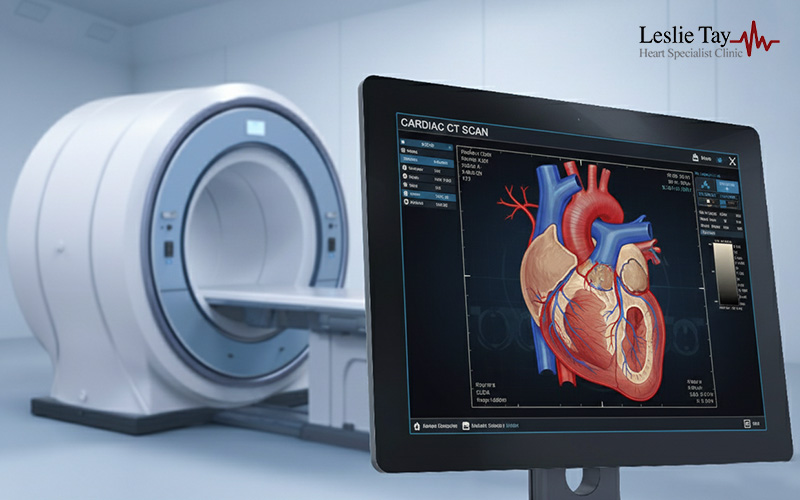
A CT coronary angiogram is a non-invasive X-ray scan that uses dye to create 3D images of the coronary arteries. It can show how much plaque has built up, whether the vessel walls are narrowed, and the exact location of any potential blockages. Results often include a calcium score or visual grading that reflects the extent of plaque blockage.
An ECG test records the heart’s electrical activity and helps identify rhythm patterns. While the test alone cannot confirm arterial blockage, it provides important clues that guide further evaluation. For example, results may indicate whether the heart is beating regularly, too fast, or too slowly. In some cases, certain changes recorded may suggest that parts of the heart are not receiving enough blood, especially during episodes of discomfort.
An echocardiogram uses ultrasound to visualise the heart’s structure and motion. It is primarily used to evaluate how well the heart chambers are contracting and whether any areas appear weaker than expected. Reduced movement in specific segments may indicate that blood flow to that region is limited. This test can also assess valve function and overall pumping strength, helping doctors determine whether symptoms might be related to circulation changes.
The management of blocked arteries varies depending on the extent and location of narrowing, as well as the symptoms experienced.
For mild to moderate blockage, care often focuses on medications that support circulation, cholesterol management, or symptom relief. Your doctor may also recommend lifestyle adjustments, such as changes in physical activity, diet, smoking habits, and stress management.
When narrowing becomes more significant or symptoms persist despite conservative measures, procedures may be considered to improve blood flow. A common approach is heart stenting treatment, where a catheter is guided into the affected artery and a small mesh scaffold is permanently placed at the site of the narrowing. Heart stenting is typically recommended as part of a broader care plan that includes medication, lifestyle adjustments, and regular follow-up.
Recognising the early signs of blocked arteries is the first step. Many symptoms overlap with other conditions, so professional assessment is important for accurate interpretation. If you are experiencing persistent discomfort, breathlessness, or reduced stamina, a consultation can help determine whether further evaluation is needed.
Dr Leslie Tay provides comprehensive assessments and personalised guidance for individuals seeking clarity about their symptoms. We will work closely with you to determine whether further testing or follow-up is needed based on your health profile and concerns. To make an appointment or enquire further, please contact us.