Related Article
Cardiovascular disease, which includes heart disease and stroke, accounts for almost one in three deaths in Singapore. Yet many people still associate these conditions only with sudden, dramatic events, causing early warning signs to be overlooked or misinterpreted. While heart attacks and strokes are not the same, they share underlying risk factors, and both require immediate medical attention.
This article breaks down how to identify heart attacks vs strokes, seek immediate help, and incorporate prevention strategies into their daily lives.
A heart attack occurs when a coronary artery becomes blocked, reducing blood flow to part of the heart muscle. This blockage is most often caused by a blood clot forming on top of fatty plaque within the artery. When oxygen supply is interrupted, heart muscle tissue can become damaged.
A stroke occurs when the blood supply to part of the brain is interrupted. This may happen due to a blocked artery, known as an ischaemic stroke, or bleeding from a ruptured blood vessel, known as a haemorrhagic stroke. Without oxygen, brain cells begin to suffer damage very quickly.
It is important to know and understand the differences between the symptoms of a heart attack vs a stroke. Each condition affects a different organ and requires rapid, targeted treatment.
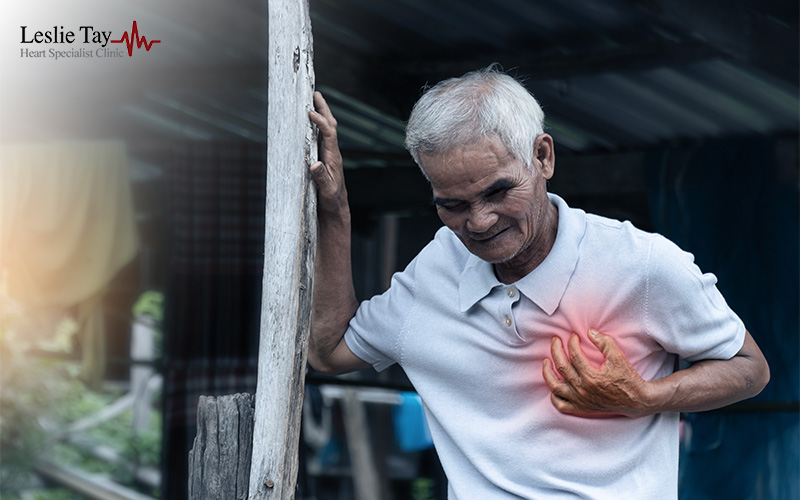
You may be having a heart attack if you experience:
Heart attack symptoms can develop quickly or build up over a short period of time. In some cases, discomfort may come and go. Additionally, not everyone experiences severe chest pain. Women, older adults, and individuals with diabetes may experience more subtle signs such as unusual fatigue, breathlessness, or indigestion-like discomfort.
On the other hand, common symptoms of a stroke include:
A useful way to recognise a stroke quickly is the F.A.S.T. method:

When you are experiencing symptoms of a heart attack or a stroke, every minute matters.
What to do immediately:
If you are with someone who is unwell, stay with them, keep them as comfortable as possible, and avoid giving them food or drink. When there is any doubt about whether symptoms involve the heart or the brain, it is safer to treat the situation as an emergency and seek immediate medical help.
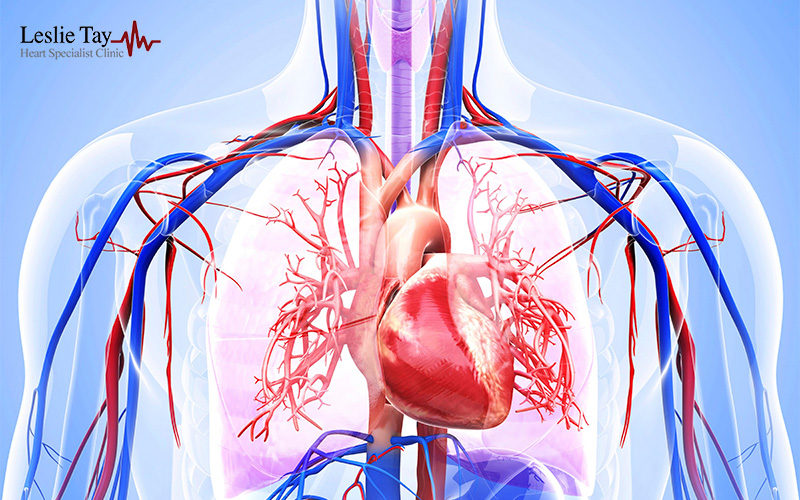
The underlying processes behind these events usually develop over many years. Despite the various heart attack vs stroke differences, both conditions are closely linked to the health of blood vessels. Shared risk factors of heart attack and strokes include:
Prevention, therefore, focuses on reducing strain on blood vessels and supporting long-term cardiovascular health. Practical steps you can take to lower your risk include:
Knowing how to identify a heart attack vs a stroke can help reduce hesitation in critical moments, but it also supports better long-term decision-making about your cardiovascular health. Whether symptoms are sudden or subtle, knowing when to seek help and how to reduce risk plays an important role in protecting both heart and brain function.
For individuals with ongoing concerns, a family history of heart disease, or uncertainty about their cardiovascular risk, consult Leslie Tay, a Mount Elizabeth cardiologist in Singapore. Using modern interventional tools and techniques, he adopts a holistic approach to cardiovascular care that considers each patient’s lifestyle, activity level, and long-term heart health.
Make an appointment with us today.