Related Article
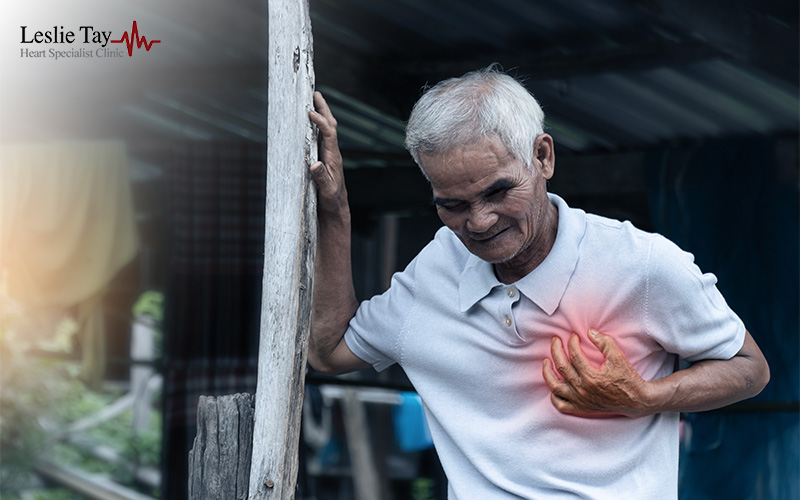
Feeling slightly winded after vigorous exercise is normal. Feeling breathless during a short walk is not. If routine activities such as strolling at a comfortable pace or climbing a small flight of stairs leave you struggling to catch your breath, it may be a sign that something isn’t right. Below, we explore common reasons why you may be experiencing shortness of breath when walking, when it may signal a cardiac issue, and what to expect during diagnosis.
If you have not been physically active for some time, your body may simply need more effort to cope with everyday movement. Your heart and muscles become less efficient at using oxygen, which means even a gentle walk can feel more tiring than it should. This is a common and often reversible reason for shortness of breath when walking, especially if your routine involves long hours of sitting or limited exercise.
With gradual, regular activity, many people notice their breathing becomes more comfortable over time, as long as there is no underlying medical issue contributing to the symptom.
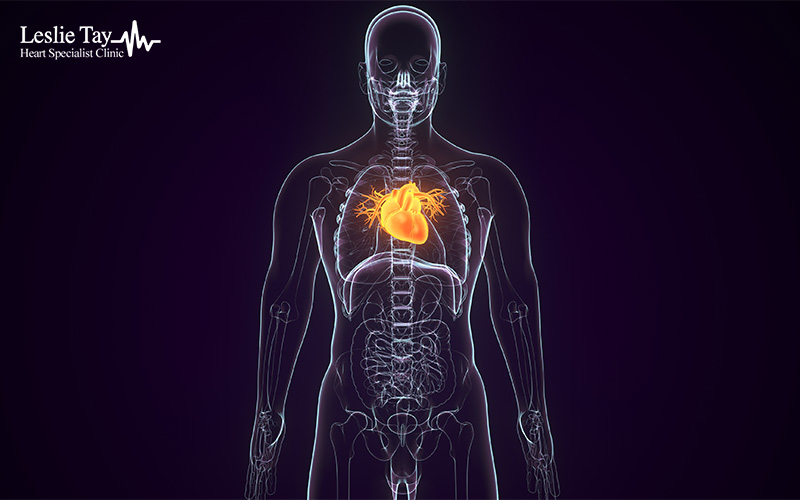
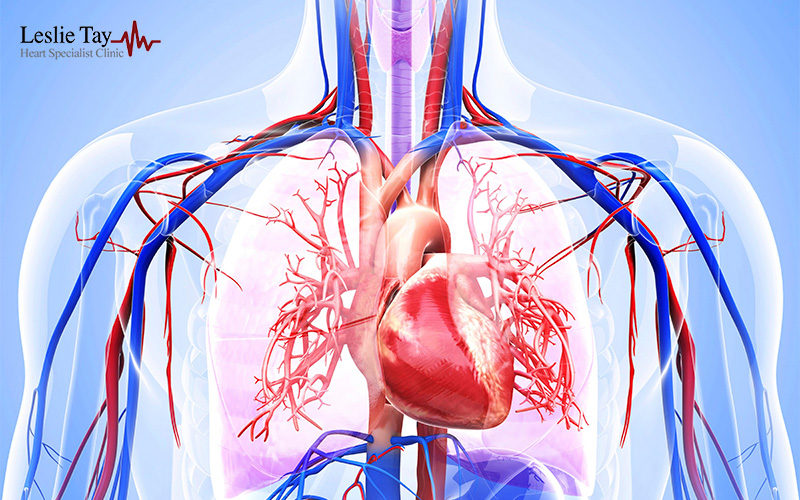
When you walk, your heart needs to pump more blood to supply oxygen to your muscles. If its function is impaired, you may notice breathlessness even during routine activities.
Breathlessness on exertion can be a sign of several cardiovascular issues:
Lung conditions such as asthma, chronic obstructive pulmonary disease (COPD), or lingering airway inflammation can make it harder for your lungs to keep up with increased demand. As a result, walking may leave you feeling breathless, especially if you also notice wheezing, coughing, or chest tightness.
It is important to distinguish between lung-related and heart-related causes, as both can produce similar symptoms during activity.
If you have anaemia, your blood carries less oxygen than usual. Even if your heart and lungs are otherwise healthy, this can make everyday activities feel more tiring. You may notice breathlessness when walking, along with reduced stamina or general fatigue.
A simple blood test can help determine whether anaemia is contributing to your symptoms and guide further management.
Carrying excess weight increases the effort required for movement and places additional strain on your heart and lungs. This may cause breathing to feel more restricted, particularly during walking or climbing stairs. Over time, this can lead to shortness of breath when walking and make even short distances feel challenging.
Addressing weight-related factors, where appropriate, often helps improve comfort and exercise tolerance.
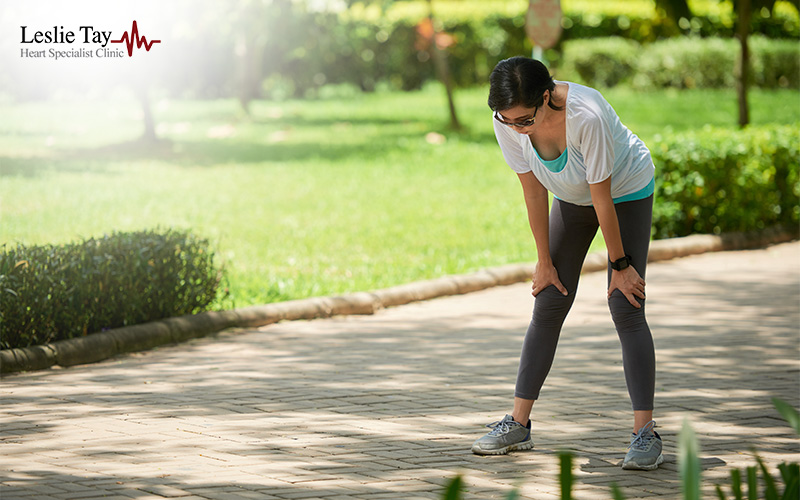
Breathlessness can come from many causes, but certain patterns make a heart-related reason more likely. Paying attention to how your symptoms behave during everyday activities can offer useful clues.
Breathlessness may be more closely linked to the heart if you notice that it:
You may not feel chest pain at all. For some people, breathlessness is the main way the body signals that the heart is struggling to keep up with physical demand. This is especially relevant if symptoms start to limit routine activities or feel out of proportion to your usual fitness level.
It is reasonable to monitor mild, occasional shortness of breath when walking. However, you should consider seeking a heart specialist in Singapore if:
Early assessment helps clarify what is driving the symptom and provides guidance on next steps.
Your cardiologist will start by listening carefully to your experience. This includes when the breathlessness began, how it affects your walking, what makes it better or worse, and whether it has changed over time.
Based on this assessment, your cardiologist decides whether further evaluation is needed and which tests are appropriate. Testing is not routine or automatic. Each investigation is chosen to answer a specific clinical question, such as whether the heart structure, rhythm, or blood supply could be contributing to symptoms.
Depending on your symptoms and risk profile, assessment may include:
In selected cases, additional imaging may be recommended. For example, a CT calcium score test, which is used to measure calcium buildup, may be used to measure calcium buildup in the coronary arteries. This helps the clinician assess underlying plaque burden and estimate longer-term coronary risk.
Not everyone needs multiple tests. When findings suggest a low likelihood of significant heart disease, the focus may shift toward monitoring, lifestyle guidance, exercise advice, or medical management.
Shortness of breath when walking is a symptom with many possible explanations, ranging from low fitness and anaemia to heart or lung conditions. Understanding the causes behind your breathlessness allows symptoms to be assessed thoughtfully rather than dismissed or overinterpreted.
If breathlessness continues or affects your ability to stay active, Dr Leslie Tay can help assess whether heart-related issues are involved. Our clinic offers a range of heart and diagnostic tests to evaluate heart structure, rhythm, and coronary risk, helping you make more informed medical decisions. Book an appointment with us today.