Related Article
If you have been told you have poor blood circulation, or you keep noticing symptoms such as cold hands and feet or recurring leg discomfort, it is reasonable to wonder whether this is something you should be concerned about. In many cases, circulation changes are mild and temporary. However, when symptoms persist or recur, they may reflect underlying cardiac issues that deserve attention.
Poor blood circulation is not a condition in itself. Rather, it occurs when blood does not flow through the body as smoothly as it should, affecting the delivery of oxygen and nutrients to specific parts of the body. This is why symptoms often appear in the hands, feet, or legs, especially after long periods of sitting or standing.
Poor blood circulation can be due to a variety of reasons, with several factors sometimes contributing at the same time. Common possibilities include:
Cholesterol build-up and age-related changes can gradually narrow the arteries, making it harder for blood to flow freely. As a result, tissues may receive less oxygen, especially during physical activity.
Conditions such as diabetes, obesity, and high cholesterol place ongoing stress on blood vessels. Over time, they can damage the inner lining of the vessels and reduce their ability to expand and contract normally, affecting circulation.
Smoking damages the lining of blood vessels and reduces their ability to widen and narrow normally, which limits blood flow over time. Long periods of sitting have a different effect. When the leg muscles stay inactive, they do not contract enough to help push blood back towards the heart. This allows blood to pool in the lower limbs, leading to heaviness, swelling, or discomfort, especially by the end of the day.
Irregular heart rhythms (arrhythmias) can affect how consistently blood is pumped around the body, while reduced pumping strength means less blood reaches the tissues with each heartbeat. Blood clots can partially or completely block blood vessels, restricting flow to specific areas. Together, these issues can disrupt normal circulation and may cause symptoms that persist or worsen without assessment.

Poor circulation is not always a cause for alarm. For example, cold hands and feet after being in an air-conditioned room or mild tingling after sitting in one position for too long are often related to temporary changes rather than an underlying medical issue.
Seek medical advice if your symptoms are persistent, recurring, or progressively worsening. This includes:
Individuals with known heart disease or diabetes should also be especially attentive to symptoms of poor blood flow, as circulation problems may develop more subtly and carry a higher risk of complications. In these cases, poor blood circulation is less likely to resolve on its own, and timely medical review can help clarify the cause and guide appropriate next steps.
Consider a heart screening if:
Seeking medical review from a heart doctor allows these symptoms to be assessed in context rather than in isolation. Depending on what needs to be clarified, your doctor may recommend:
For individuals who already have a diagnosis or feel uncertain about earlier findings, seeking another doctor for a second opinion can offer reassurance and help explore alternative perspectives.
Once serious causes have been considered, your doctor may also recommend lifestyle changes to support healthier blood flow, such as:
Activities such as brisk walking, calf raises, and short stretching breaks throughout the day help activate leg muscles and encourage blood flow from the legs, reducing pooling. Individuals with known heart conditions or symptoms should check with their doctor first to ensure the type and intensity of activity is appropriate for their condition.
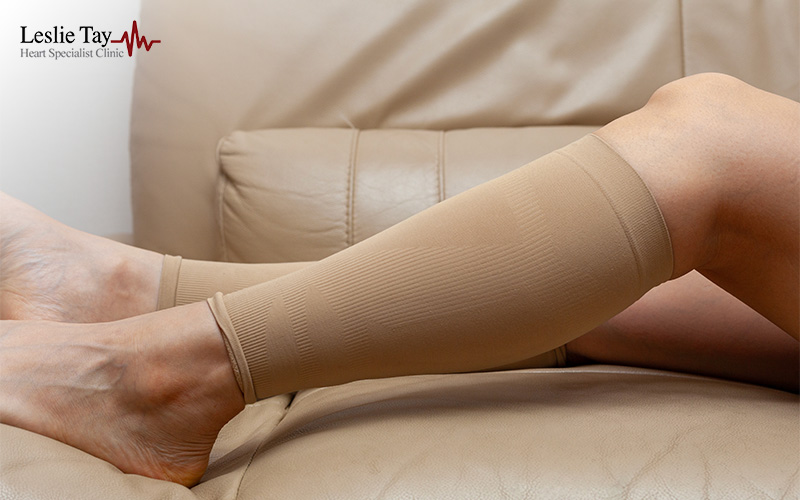
Compression stockings apply gentle, graduated pressure to the legs, which helps blood move back towards the heart and reduces fluid build-up in the lower limbs. They are commonly recommended for people with leg swelling, varicose veins, or prolonged standing or sitting.
For individuals with conditions such as high blood pressure, high cholesterol, and diabetes, consistent monitoring and appropriate treatment are crucial. Keeping these conditions under control helps reduce ongoing strain on the circulation and lowers the risk of symptoms worsening over time.
Poor circulation does not always signal a serious problem, but persistent or unexplained symptoms deserve careful attention. Understanding what your body is telling you allows potential issues to be addressed early and appropriately.
Looking for more information about your poor blood circulation and heart health? Dr Leslie Tay provides personalised assessments and modern screening techniques to help patients understand their risks and next steps. He adopts a holistic approach to patient care, working closely with patients to support safe, sustainable activity and long-term heart health.
Book an appointment today.