Related Article
Experiencing sudden chest pain can be frightening, particularly when it catches you off guard. While many associate chest discomfort with a heart attack, a wide range of conditions, from heart and lung issues to digestive or muscular causes, may be responsible. Below, we take a closer look at the common causes and when it’s best to see a doctor for your chest pain.
The heart is one of the key organs to consider when sudden chest pain occurs. It may be caused by:
Since symptoms can vary widely from person to person, pinpointing the exact cause is not always straightforward. Some describe crushing pain, while others experience a dull ache, pressure, or burning sensation. Even mild or intermittent symptoms should not be overlooked, particularly if they arise during exertion, stress, or while resting.
If these episodes recur, intensify, or become unpredictable, consulting a cardiologist in Singapore can help determine whether further evaluation is needed and what the next steps should be.
The lungs and surrounding structures can also be sources of chest discomfort, especially when breathing is affected. Common lung-related causes include:
Lung-related symptoms often appear together with breathlessness, a rapid heartbeat, or persistent coughing. These conditions can escalate quickly, making prompt medical attention especially crucial when symptoms are severe or unexplained.
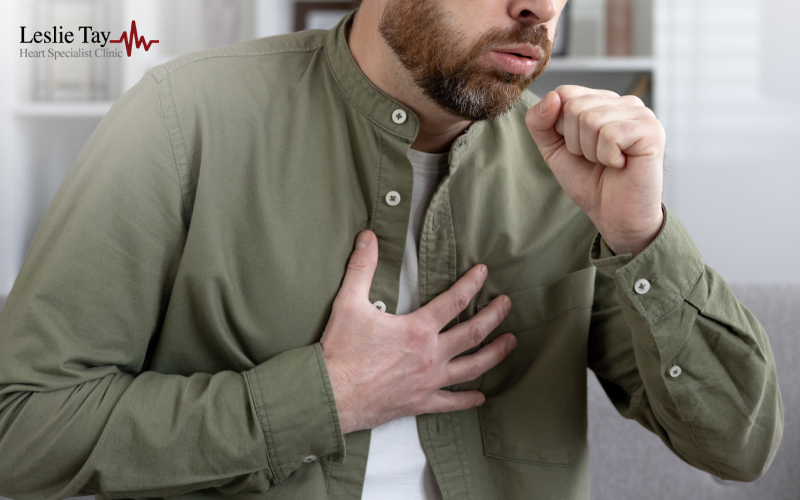
Some episodes of sudden chest pain are linked to the digestive system rather than the heart or lungs. These causes can mimic cardiac symptoms and may include:
While digestive causes are generally less urgent, the overlap in symptoms can make it difficult to differentiate them from heart-related issues. A medical review helps ensure no serious cardiac cause is overlooked.
Pain arising from the muscles, bones, or joints of the chest can be sharp, localised, and sometimes sudden. Common musculoskeletal sources of chest pain include:
These causes usually intensify with certain movements, deep breaths, or physical pressure. Although they are typically not dangerous, new or persistent symptoms should still be evaluated, particularly if there is uncertainty about the source.
Anxiety can produce physical sensations that closely resemble cardiac symptoms. During a panic or stress-related episode, individuals may experience:
Even though these symptoms may originate from anxiety, it is important not to assume this without proper assessment. Chest discomfort should always be approached with care until more serious causes have been ruled out.
Not every episode of sudden chest pain is dangerous, but certain symptoms require attention right away. Seek urgent medical help if the discomfort:
In non-emergency situations, undergoing cardiac screening can offer reassurance by helping identify whether the discomfort is heart-related or due to another cause.
Whether you’re looking for a clearer understanding of your symptoms or a 2nd opinion from a doctor, consult Dr Leslie Tay. His clinic offers structured, evidence-based assessments to help identify the possible causes of your discomfort. A consultation can also clarify whether further testing or medical intervention would be helpful for your situation.
Make an appointment today.